What Online Creators Can Teach Us About Why People Give
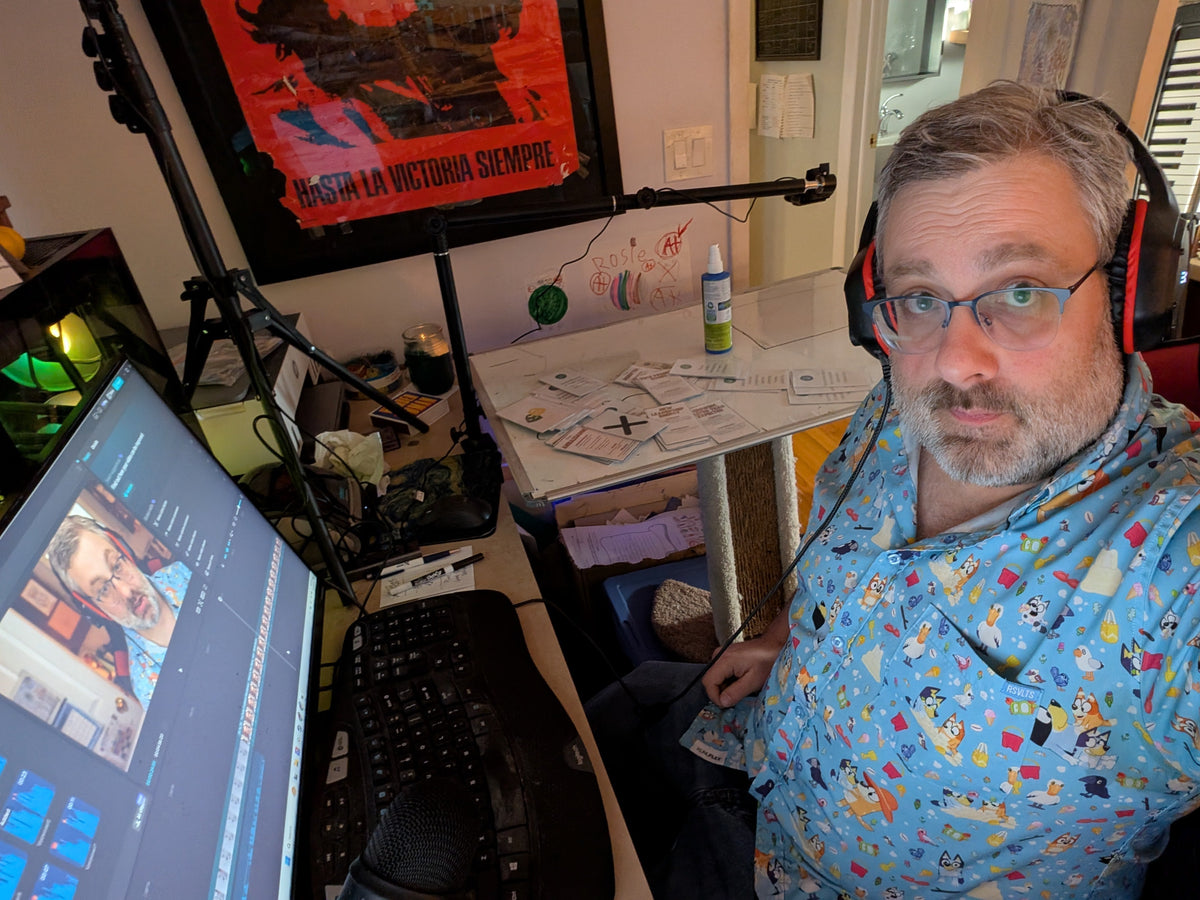
Online creators are showing us why people really give. Here is what they teach us about donors, and how to do the same in your own work.
The best lesson in giving right now is not a new tool or a clever email. It is happening on livestreams, where online creators raise money by understanding their people first. That turns out to be the whole game.
Most of us watch the wrong numbers here. We count followers, views, and dollars, and we miss the real reason people give, which is that giving says something about who they are. I call that generosity identity. Once you see it, creator giving stops looking like a gimmick and starts looking like the best classroom we have for understanding donors.
The scale is real. In 2025, creators on Tiltify raised more than $100 million for charity, up 46 percent in a single year, from 1.2 million donors. The platform has now passed $500 million in total.
But the average tells the better story. A typical creator raises about $1,300, which Tiltify's CEO Michael Wasserman calls about thirty new donors a charity did not have the day before. Most of them gave because someone they trust asked them to. And this is happening while the overall number of donors keeps dropping. Even so, 61 percent of Gen Z say a creator's involvement makes them more likely to give. A generation we keep saying we cannot reach is giving in large numbers, through people who understood them first.
Key takeaways
- Creator giving is big now. Tiltify passed $100 million in 2025.
- The key idea is generosity identity. People give to show who they are, not because they fit a segment.
- Giving sticks when people feel choice, see proof it worked, and feel like they belong.
- You can copy this. Give people room, thank them fast, and give them a group to join.
- The Creator Impact Honors celebrate this work, and nominations close September 24.
Why this shows how people really give
Two researchers, Katrina VanHuss and Otis Fulton, have studied this for years, and their finding is simple. People give to match who they think they are. So when someone gives five dollars in a creator's stream, they are not paying a bill. They are showing their values in a room that will notice, and it notices fast. The total ticks up, the chat says thanks, and within seconds that person feels seen.
That fast loop matters, because people stick with things that meet three needs. They want choice, so the act feels like their own. They want proof that it worked. And they want to belong, to do it alongside people they care about. Old-school asks tend to miss all three. They hand out a stiff script, they wait weeks to show any impact, and they leave the donor alone with a form. Creator giving meets all three at once, which is a big part of why it grows without the expensive tools the rest of us lean on.
This is why I talk about generosity identity instead of donor segments. A segment is a box you sort people into from the outside, while an identity is something people carry inside, and it is what actually drives what they do. Our ten generosity archetypes are not marketing buckets. They name the real reasons a person gives in the first place.
What a hunt for 296 old games can teach us
My favorite example sits outside the awards, in a documentary called Nintendo 64 Quest. A collector named Jay Bartlett set out to find all 296 Nintendo 64 games in fourteen days, on a fixed budget, with one hard rule. He could not buy anything online, so every game meant a real conversation in a real store. When he finished, he sold the whole set and gave the money to the Alzheimer Society, in honor of his mother, who had died of the disease.
Watch what happens to those games. In a store, they are just products, priced by how rare they are. By the end, they are something more and I actually have plans to do a bit of a breakdown since there's a twist at the end that made me appreciate its teaching ability for nonprofit leaders even more. The writer David Graeber explained the shift well in Debt: The First 5,000 Years. A normal sale is built to end a relationship, since once you pay, you leave and you owe each other nothing. A gift does the opposite, because it keeps people connected. Bartlett bought those games like any shopper, then gave them all away for his mother, and their price turned into meaning.
That is generosity identity in one story. Nobody gave because they needed an old game. They gave because the quest let them attach their own memories and losses to something bigger.

These are real communities, not just noise
It is easy to write off livestreams as flashing lights, and that misses how much these spaces mean to people. A live video paired with a chat is a gentler way to be social, and it asks less of people who find big crowds and body language exhausting, which helps many neurodivergent viewers take part. Disabled creators have used play to fight isolation through groups like AbleGamers. In LGBTQ+ spaces, creators raise steady support for groups like Trans Lifeline, where the giving feels less like charity and more like people looking out for each other.
I raise this to sharpen the point rather than soften it. People in these rooms give because giving there is a way to belong, and sometimes a way to survive. That is generosity identity at full strength, and the same force is in every donor on your list, just harder to see.
How to build these relationships in your own shop
Here is what you can do on Monday. You do not need a Twitch channel. You just need to build for those same three needs, with more care than most asks show.
Let people make it their own. The creators who raise the most put the cause in their own words. Give a volunteer a strong starting point, then step back, so the ask reaches their friends in a voice those friends recognize as theirs and not your press release.
Show the impact fast. A stream gift feels good because the thanks come right away, while most groups wait weeks and let the good feeling fade. Close that gap. A same-day thank-you that names what the gift did will beat a glossy report in the spring.
Make giving something people do together. A lone web form leaves a donor by themselves, but a shared goal and a group name turn the same gift into belonging. Neon One found that monthly donors respond to a group name like "Animal Heroes," because it speaks to who they are. Give people a "we," not just a "you."
Let a trusted person ask. Most of these gifts happen because a trusted person asked, and your best asker is often not the organization at all. It is the volunteer or board member who already holds the relationship. Set them up well, then let them ask in their own voice.
Protect the person at the center. The trap in this whole space is turning someone's hard story into content. When a real person is in the story, their dignity and their consent come first, every time, and a gift you win by spending someone's pain is not worth it.
Resource: The Creator Impact Honors
Tiltify's new Creator Impact Honors reward creator charity work by real impact, not audience size. Categories include Storytelling for Impact, a Small-But-Mighty Fundraiser award, and a Behind-the-Scenes award for the helpers who never show on camera. Any platform can enter, and nominations close September 24, 2026.
Resource: Go deeper on the why
Want the research behind this? Start with VanHuss and Fulton's book Social Fundraising, then read David Graeber's Debt: The First 5,000 Years on why a sale ends a relationship while a gift keeps one going.
The point, and the first step
Giving was never really a sale, and the creator world is showing us that at a size too big to ignore. What can look like a stunt is really a room full of people giving to show who they are and who they stand with. The same thing is happening in your donor list, just harder to see. What this world offers us is a clearer view of how giving actually works, and a chance to build for it on purpose.
So do one thing this week. If you know a creator or campaign that made a real difference for a cause, whatever its size, nominate them for the Creator Impact Honors before September 24. To be straight with you, I am one of this year's judges, which is why every example here sits outside the award window. And keep an eye on this space, because over the next few weeks I am going to read this world through the ten generosity archetypes we use in the Generosity Roundtable, our educational gaming system for understanding how people give. There is a lot to learn from people who figured out identity first.
Frequently asked questions
What is generosity identity? It is the idea that people give to show who they are and which communities they belong to, rather than out of duty. Giving becomes a way to say "this is me," which is why asks that speak to a person's values and their people tend to beat asks that only describe a need.
What is creator-led fundraising? It is fundraising through online creators and their fans, often on livestreams, where a creator invites their audience to give to a cause and the giving becomes a shared, public act. In 2025, creators on Tiltify alone raised more than $100 million from 1.2 million donors.
Why is creator giving growing while the number of donors falls? Because it meets the things that make giving stick. These communities give people choice in how they join, fast proof that a gift mattered, and a real sense of belonging, all at once. That reaches younger donors most of all, with 61 percent of Gen Z saying a creator's involvement makes them more likely to give.
How can a small nonprofit do this without a big following? Build for those same three needs. Let supporters make the ask their own, show them the impact the same day rather than months later, and give them a named group to join instead of a lone form. Then let the ask come from the volunteer or peer who already has the trust.
What are the Creator Impact Honors and how do I nominate someone? They are a new yearly program from Tiltify that rewards creator charity work by its real impact, not audience size, judged by an independent jury across six categories. Any platform can enter at creatorimpacthonors.com, and nominations close September 24, 2026.


